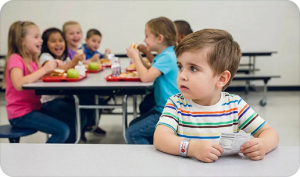


Division of Responsibility in Feeding: The Simple Rule That Ends Mealtime Battles
The Division of Responsibility in feeding is a simple boundary that ends most mealtime power struggles: you decide what food is served, when it is

The Division of Responsibility in feeding is a simple boundary that ends most mealtime power struggles: you decide what food is served, when it is
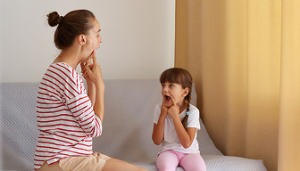
Whether you’re in Miami, Orlando, Tampa, Jacksonville, or South Florida, virtual parenting support means help is available without leaving home. Here’s what families in each

The words we use around food shape how kids feel about eating — and about their bodies — for years to come. Keeping language neutral,

Young children can’t self-soothe the way adults can — they borrow calm from the adults around them. Co-regulation is the process of a parent staying

A parent coach or behavior consultant focuses on practical, everyday strategies for specific challenges — sleep, behavior, routines. A therapist or psychologist, by contrast, is

Living with a food allergy affects more than mealtimes — it can bring anxiety, a sense of being different, and social stress. Helping your child

Resilience and confidence develop when children feel supported as they move through challenge, uncertainty, and growth. These qualities are shaped quietly, through everyday moments of encouragement, repair, and presence.

This article explores how mindfulness supports emotional regulation, how it can be woven naturally into daily life, and how presence — rather than technique — becomes the foundation for resilience.

Meaningful routines are not built for efficiency. They grow from presence, repetition, and shared moments that slowly become anchors in a child’s inner world.

Emotional expression is not something children automatically know how to do. It develops slowly, through experience, relationship, and repeated moments of being understood. When children find ways to express their inner world, emotions move, soften, and organize themselves naturally.